


Choosing the right Natural Stone Supplier from India is one of the biggest decisions a buyer, architect, or contractor will make on any project. India has quarries in nearly every state, hundreds of exporters, and thousands of price points, so the difference between a good supplier and a bad one usually shows up months later, when a container arrives with cracked slabs or the wrong shade of stone. This guide walks you through exactly what to check before you sign a purchase order, and shows you how a company like SNK Surfaces approaches quality control from quarry to shipping container.
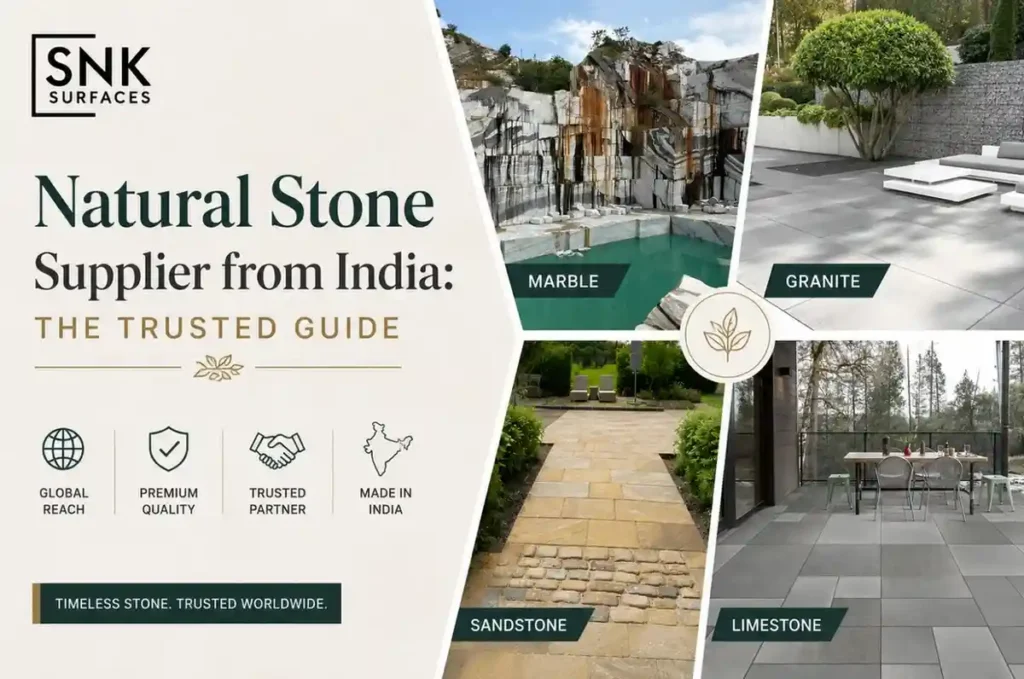
India has been exporting natural stone for decades, and the country’s geology gives it a real advantage. From the sandstone belts of Rajasthan to the granite deposits of South India, buyers get access to a wide range of colours, textures, and price ranges that few other countries can match. But wide access also means wide variation in quality. Some exporters run their own quarries and processing units. Others act as middlemen who buy loose material and resell it without any real testing. Knowing the difference is the first step to sourcing safely.
Why India Remains a Top Sourcing Destination
Buyers from the UK, USA, Europe, Australia, and the Middle East keep coming back to India for a few clear reasons. Labour and processing costs are lower than in many Western countries, which keeps landed prices competitive even after shipping and duties. Indian quarries also produce an unusually wide variety of stone types in one country, so a buyer can often source sandstone, granite, limestone, and marble from a single supplier instead of juggling contracts across three or four countries. This is where working with an established Indian Natural Stone Exporter makes a real difference, because a single point of contact for multiple stone categories saves time on logistics, quality checks, and paperwork.
What Separates a Reliable Supplier from a Risky One
A trustworthy Natural Stone Manufacturer India based buyers can depend on will usually show a few signs before you even place an order. They will have their own quarry or a long term direct relationship with one, rather than sourcing randomly from traders. They will offer physical samples, not just photos, since natural stone colour and veining can vary a lot between batches. They will also be transparent about processing capacity, current lead times, and any minimum order quantity. If a supplier avoids giving straight answers about where the stone actually comes from, treat that as a warning sign, not a small detail.
Ask for a factory visit or a live video walkthrough if an in-person visit is not possible. Reputable suppliers are usually happy to show their cutting, polishing, and packing lines because it builds trust and reduces disputes later.
Certifications That Actually Matter
Paperwork protects you long after the stone has left the quarry, and this is where many buyers get caught out. A shipment without the right certification can get held at customs, rejected by a project inspector, or flagged during a building compliance check. Three certifications are worth asking about directly.
A CE Certified Stone product meets the technical requirements set for construction products sold within the European Economic Area, covering factors like slip resistance, water absorption, and frost resistance. If your project is in the EU, this is not optional paperwork, it is often a legal requirement for the product to be used at all.
A UKCA Certified Stone shipment is the equivalent requirement for the UK market, introduced after the UK’s departure from the EU. Buyers importing into England, Scotland, or Wales should confirm UKCA marking specifically, since CE certification alone is no longer sufficient for all UK construction projects.
Working with an ISO Certified Manufacturer gives you a broader guarantee that the supplier follows consistent quality management practices across production, not just on the batch you happen to be buying. You can read more about how these standards are structured on the International Organization for Standardization’s official site, which explains what ISO certification actually verifies and why it matters for industrial buyers.
Sandstone: What to Check Before You Buy
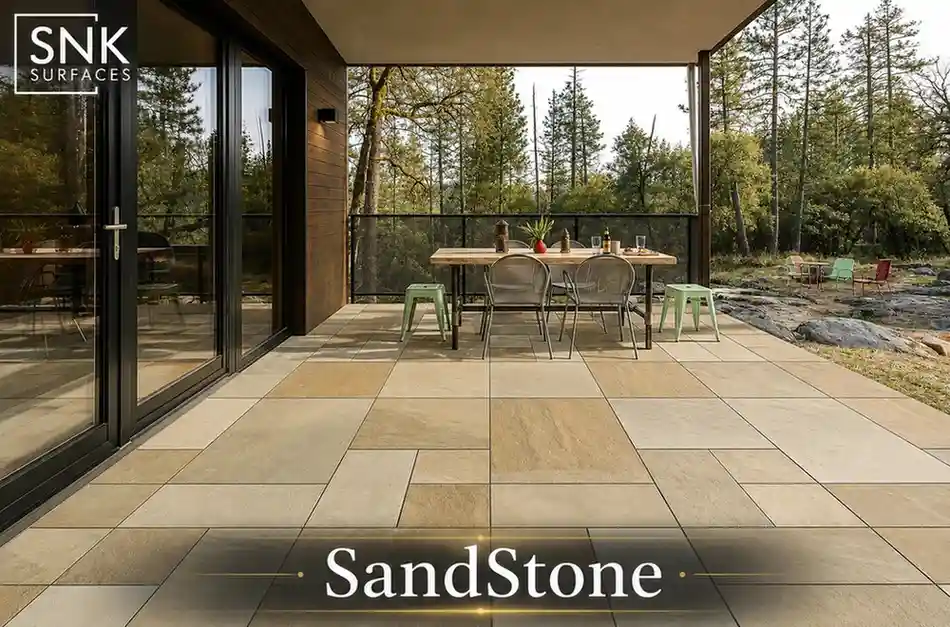
Sandstone is one of India’s most exported stones, prized for its warm, earthy tones and natural slip resistance, which makes it a popular choice for patios, walkways, and building facades. When evaluating a Sandstone Supplier India based, ask about the stone’s water absorption rate and frost resistance, especially if the project is in a cold climate, since not all sandstone performs equally well through freeze thaw cycles. SNK Surfaces sources sandstone with consistent grain structure and offers it in a full range of natural shades for both interior and exterior use, which you can review on their sandstone collection page.
Granite: Strength for High Traffic Projects
Granite remains the go to choice for countertops, flooring, and any surface that needs to resist scratches, heat, and stains over decades of use. A dependable Granite Supplier India wide will offer polished, flamed, and honed finishes, along with clear technical data sheets showing hardness and density ratings. Buyers sourcing granite for commercial flooring or outdoor paving should specifically ask for slip resistance test results, since finish type changes this significantly. SNK Surfaces supplies granite paving in a range of finishes suited to both residential and large scale commercial projects.

Limestone: Versatility Without Compromise
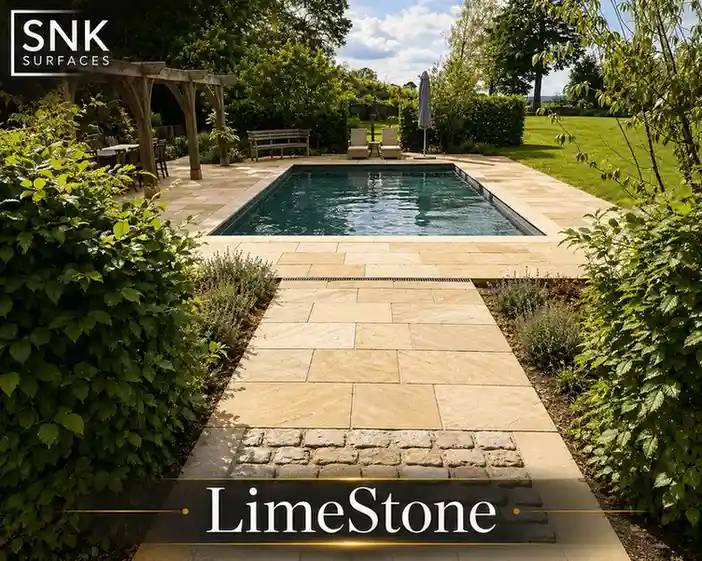
Limestone offers a softer, more understated look with excellent thermal properties, which is why it works so well in both minimalist interiors and traditional facades. A reliable Limestone Supplier India based should be able to confirm the stone’s porosity level, since limestone varies more than granite in how it absorbs water and stains. This matters a lot for kitchens, bathrooms, and outdoor paving in wet climates. SNK Surfaces processes limestone specifically for paving applications, balancing durability with the natural tonal variation buyers expect from this stone.
Marble: Managing Expectations on Veining and Consistency
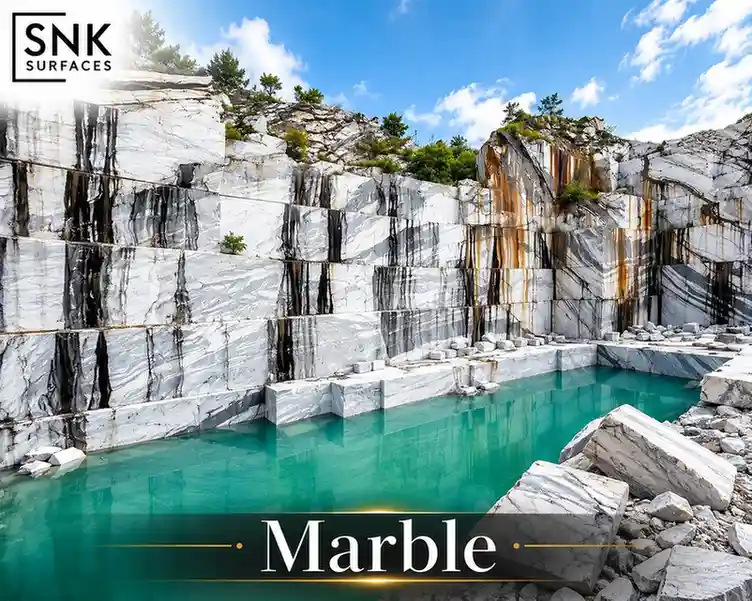
Marble buyers face a unique challenge, because no two slabs are identical, and the veining pattern that makes marble beautiful also makes batch consistency harder to guarantee. A good Marble Supplier India wide will lay out full slabs for buyer approval before cutting, rather than shipping based on a small sample photo. This single step prevents the majority of marble related disputes. SNK Surfaces offers this kind of slab level selection for larger orders, which is especially important for feature walls and large format flooring where pattern matching across pieces really shows.
Working With an Export Focused Partner
A Natural Stone Exporter India companies choose for repeat business will have documented experience with international shipping, customs paperwork, and container loading standards that reduce breakage in transit. This is not a small detail. Natural stone is heavy and brittle at the edges, and poor packing is one of the leading causes of damaged shipments. Ask any potential supplier how they pack slabs and tiles for sea freight, and whether they insure shipments against transit damage.
Sourcing Natural Stone for Commercial Projects
Sourcing for a commercial job is a different challenge than buying for a single home. A hotel lobby, office floor, or retail rollout needs hundreds or thousands of square feet of stone that all matches in color and texture, delivered on a schedule that fits a construction timeline. If you are working on a project at this scale, it is worth reading our dedicated guide on choosing the best natural stone supplier for commercial builds, which covers batch consistency, staged deliveries, and the extra vetting a commercial order needs that a residential one usually does not.
Planning Your Import Process
For buyers new to sourcing from South Asia, Natural Stone Import from India projects usually follow a similar sequence: sample approval, order confirmation, production, pre-shipment inspection, and then sea or air freight depending on order size and timeline. Building in time for a third party pre-shipment inspection is one of the smartest steps a buyer can take, since it catches quality issues before the container leaves port rather than after it arrives at your site. With over 30+ years of combined industry experience, teams like SNK Surfaces have refined this process to minimise delays and reduce the back and forth that often slows down first time importers.
Red Flags Worth Watching For
A few warning signs tend to show up again and again with unreliable suppliers. Prices that sit far below the market average usually mean lower grade material, inconsistent thickness, or corners cut somewhere in processing. A refusal to provide certification documents or recent export references is another clear signal to walk away. Vague answers about quarry location, or an inability to explain lead times with any specifics, both suggest the supplier is not managing production directly.
Making Your Final Decision
Once you have shortlisted two or three suppliers, compare them on the same criteria: certification, sample quality, communication speed, pricing transparency, and shipping track record. Do not choose based on price alone, since the cheapest quote often comes with hidden costs in the form of delays, rejected shipments, or replacement orders. A supplier that answers questions clearly and provides documentation upfront is usually the one that will cause you the fewest problems down the line.
Frequently Asked Questions
What is the minimum order quantity for natural stone from India?
This varies by supplier and stone type, but many exporters set MOQs based on container size rather than a fixed number of pieces. Ask directly, since some suppliers will accommodate smaller trial orders for new buyers.
How long does shipping from India typically take?
Sea freight to Europe usually takes four to six weeks, while shipments to the US or Australia can take six to eight weeks depending on port congestion and the shipping line used.
Is CE or UKCA certification required for all natural stone imports?
It depends on the destination country and the intended use. Construction projects in the EU and UK generally require it, while decorative or non-structural use may have different requirements. Always check with your local building authority.
Can I get physical samples before placing a bulk order?
Reputable suppliers will always offer physical samples. If a supplier resists this or only provides digital photos, treat it as a warning sign.
If you are ready to source natural stone from a supplier that puts certification, sample transparency, and shipping reliability first, get in touch with SNK Surfaces to discuss your project requirements and request samples for your next order.