



Finding the right natural stone supplier can make or break a commercial construction project. If you have ever waited weeks for a container that arrived with the wrong shade of granite, or signed off on a quote that ballooned once shipping and customs got involved, you already know why this decision deserves more attention than it usually gets. Companies like SNK Surfaces have built their entire process around solving exactly these problems for architects, developers, and contractors who cannot afford delays.
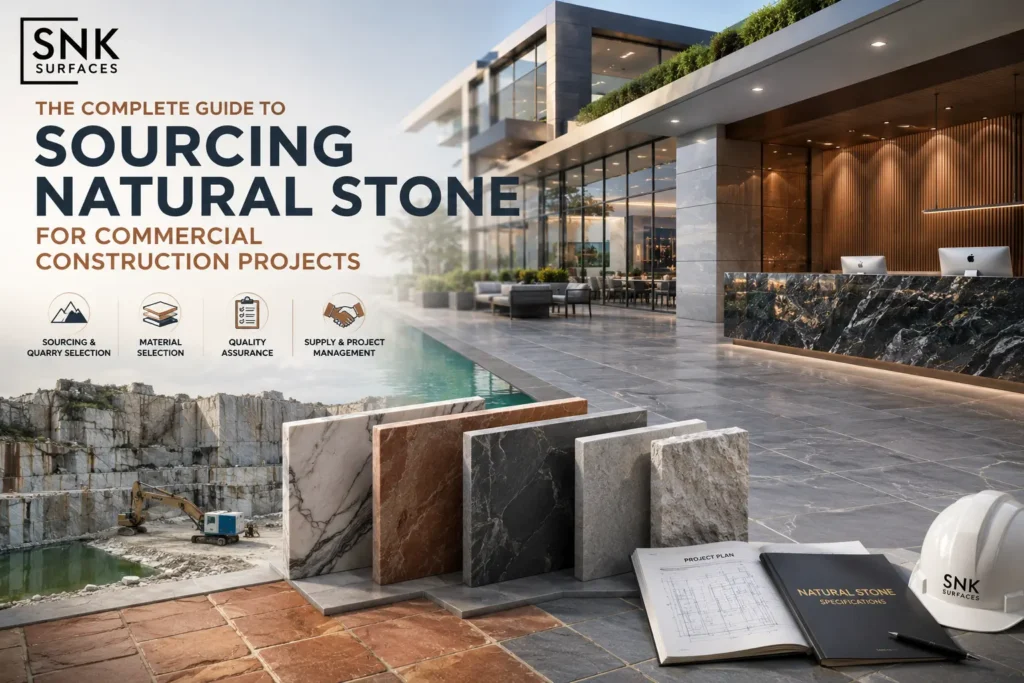
Commercial projects are a different animal compared to a single home renovation. A hotel lobby, a corporate office floor, or a retail chain rollout needs hundreds or thousands of square feet of stone that all looks like it came from the same block, because it usually needs to. Add in tight construction schedules, strict budgets, and multiple stakeholders signing off on every material choice, and you start to see why sourcing natural stone for commercial work is really a supply chain problem dressed up as a design decision.
This guide walks through what actually matters when you are choosing a natural stone supplier for a commercial job. We will cover the types of stone typically used, what separates a real manufacturer from a reseller, how exporters affect your timeline, and the questions you should be asking before you sign a purchase order.
Why Commercial Projects Need a Different Sourcing Approach
A residential kitchen might need twenty square meters of marble. A commercial lobby, hotel facade, or retail development can require twenty times that amount, delivered in phases, matched for color and texture across the entire run. This is where commercial natural stone sourcing gets tricky. Slabs cut from different blocks, even of the same stone type, can show noticeable variation in tone and veining. For a homeowner this might be a charming detail. For a developer trying to hit a uniform look across a hundred hotel rooms, it is a problem that can delay handover and trigger disputes with the client.
This is why experienced procurement teams look for suppliers who can guarantee batch consistency, not just product availability. It also means asking early about lead times, container scheduling, and whether the supplier can release material in stages to match your construction phases, so you are not stuck storing pallets of stone on a site that is not ready for them yet.
The Main Types of Stone Used in Commercial Work
Most commercial projects draw from four families of natural stone, each suited to different applications.
Sandstone
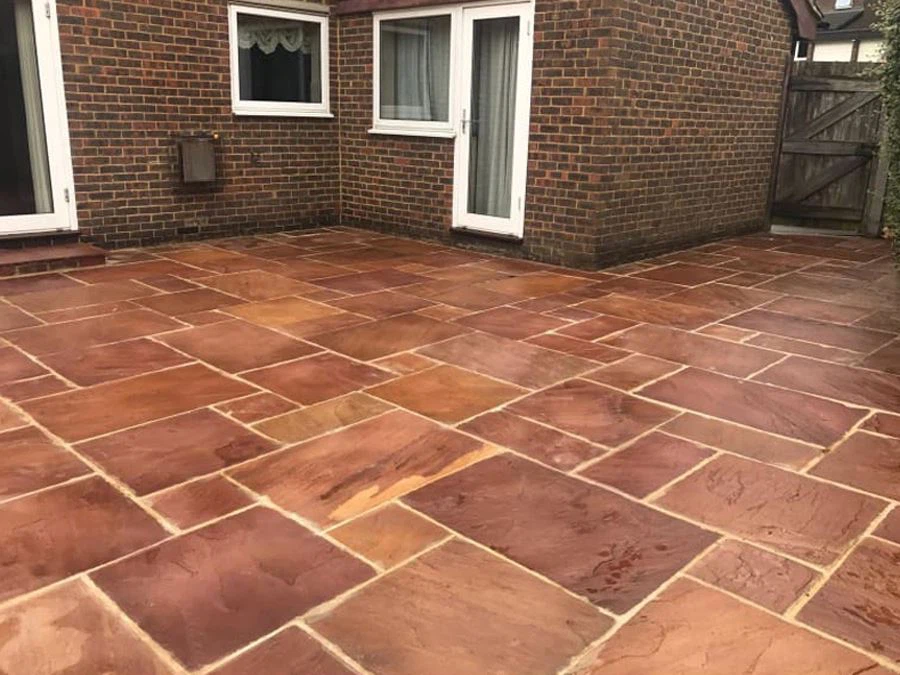
Sandstone is popular for facades, cladding, garden walls, and paving because of its warm tones and natural slip resistance. It handles weather well and ages gracefully, which is why you see it so often on civic buildings and public plazas.
Limestone
Limestone works nicely for both contemporary and classic architectural styles. Its soft cream and grey tones suit lobbies, facades, and flooring, and it has decent thermal properties that help with indoor temperature regulation.
Granite
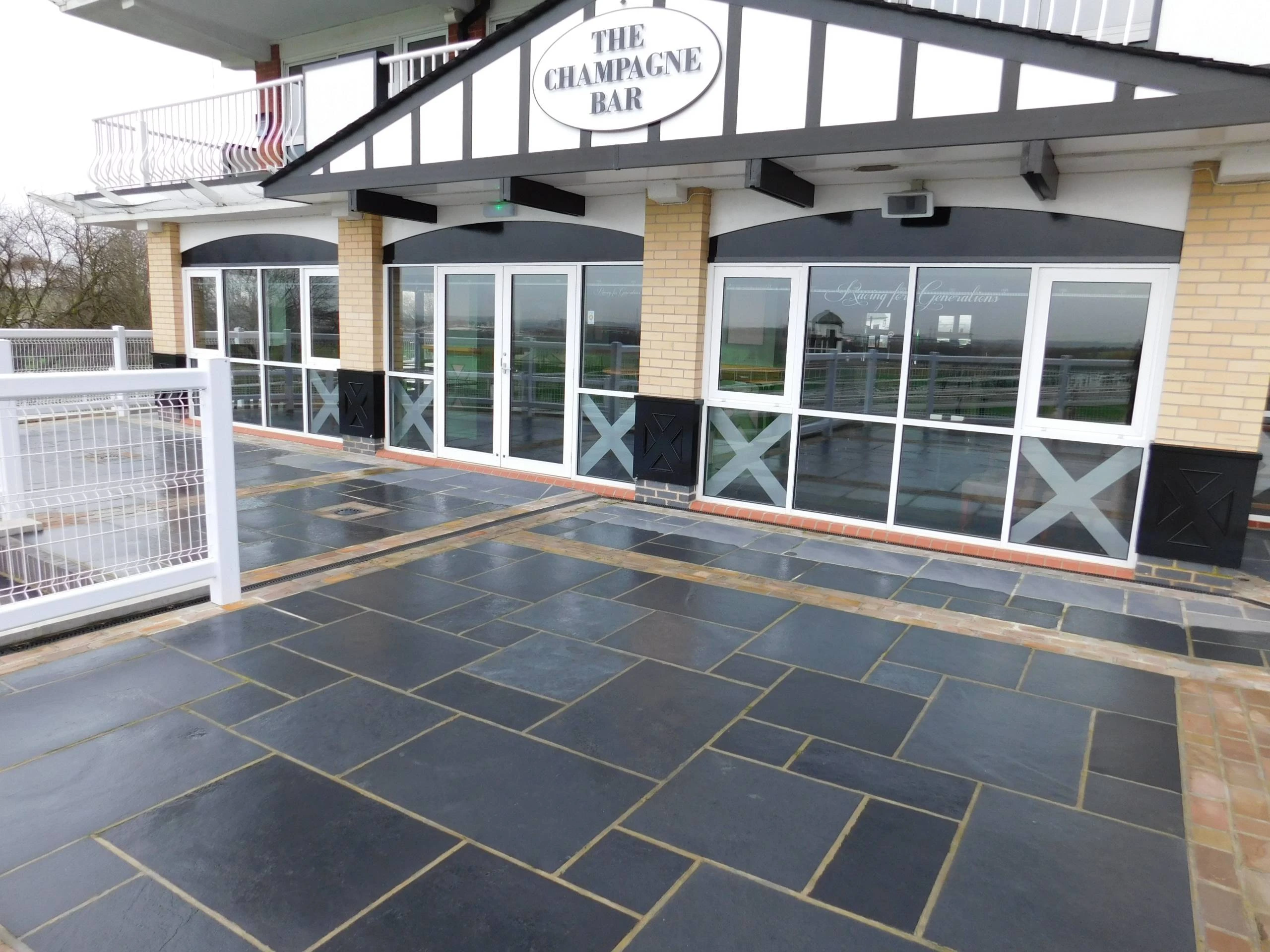
Granite is the go-to choice when durability is non-negotiable. Commercial floors see heavy foot traffic every single day, so specifiers often look for granite with strong scratch and stain resistance for flooring, countertops, and high-traffic paving.

Marble
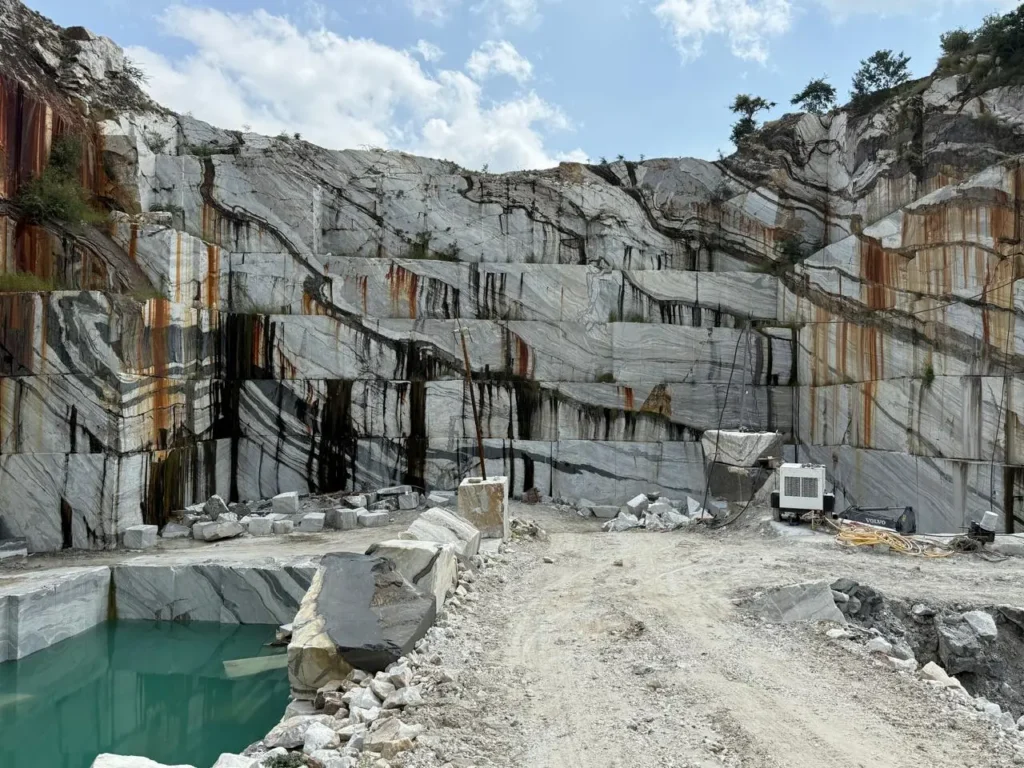
Marble remains the top pick for spaces meant to signal quality, such as hotel lobbies, feature walls, and executive offices, thanks to its distinctive veining and long-standing association with luxury architecture.
Picking the right stone type is only step one. The bigger question is who is actually supplying it, and that is where the terms manufacturer and exporter start to matter.
What a Natural Stone Manufacturer Actually Does
A genuine natural stone manufacturer controls production from the block stage through cutting, calibrating, and finishing. This matters more than it sounds like it should. When a company owns or directly manages its quarry and processing facility, it can guarantee consistent color and thickness across an entire order, because every slab traces back to a source it controls. A trading company that buys finished slabs from multiple third parties cannot always make that same promise, since blocks from different quarries or different mining periods can vary in tone even within the same stone type.
If full traceability from block to finished surface matters for your project, ask any supplier directly whether they own their quarry or source from a controlled network. Suppliers who can answer this clearly, with documentation, are generally in a stronger position to guarantee the batch consistency that commercial jobs demand.
Why the Natural Stone Exporter Relationship Matters
Sourcing stone internationally adds a layer that many first-time importers underestimate. A capable natural stone exporter does more than pack a container and hand you a bill of lading. They manage export documentation, compliance certifications for your destination market, customs paperwork, and realistic shipping timelines to your port. For buyers in the UK and Europe, this includes things like UKCA or CE marking, since these determine whether the stone can legally be sold and installed without extra testing on your end.
A weak exporter relationship shows up as missed shipping windows, surprise costs at customs, or paperwork gaps that hold your container at port while your project schedule slips. A strong one means you get predictable delivery dates and full documentation that satisfies your compliance team without extra back and forth.
How to Choose the Right Natural Stone Supplier
Here is a practical checklist worth running through before committing to any supplier for a commercial order.
Quarry ownership or controlled sourcing, so you know exactly where your stone comes from and can expect consistent color across the whole order.
Certifications relevant to your market, such as ISO 9001 for quality management, or UKCA and CE marks if you are importing into the UK or EU.
Sample and mock-up process, so you can confirm color, finish, and slip resistance before committing to a full production run.
Container and logistics capability, including whether they can stage deliveries to match your construction phases instead of dumping the whole order on day one.
Technical documentation, including hardness ratings, water absorption figures, and finish options suited to your application, whether that is polished flooring or slip-resistant exterior paving.
Track record with commercial volumes specifically, since a supplier great at small custom orders is not automatically equipped for a 300-room hotel project.
Suppliers who can check every box here are rare, but they exist, and the difference in project outcomes is significant enough to justify the extra vetting time upfront.
Common Mistakes Buyers Make When Sourcing Stone
The most frequent mistake is choosing a stone based purely on a sample photo without confirming quarry consistency for larger volumes. The second is underestimating how compliance documentation like the standards published by the Natural Stone Institute, an organization focused on best practices for specifying and installing natural stone, factors into approval timelines on commercial jobs. The third is failing to lock in supply commitments early on high demand stones, which can leave a project stalled if a popular material gets consumed by a competing order.
Avoiding these three issues alone puts most commercial buyers ahead of where they would otherwise land.
Why SNK Surfaces Is Built for Commercial Sourcing
SNK Surfaces has been working with stone since 1991, starting with marble mining in Rajasthan before expanding into limestone, granite, sandstone, and porcelain manufacturing. The company owns its own sandstone quarry, home to its signature Fort White Sandstone, which means color consistency and full traceability from block to finished surface, not something pieced together from third party sources.
For commercial buyers, this translates into practical advantages: ISO 9001:2015 certification, UKCA and CE marking for UK and EU markets, and export experience across more than thirty countries with flexible container and mixed load options built around real construction schedules rather than a one size fits all shipping model.
Frequently Asked Questions
What is the difference between a natural stone manufacturer and a supplier?
A manufacturer controls production from raw block to finished slab, while a supplier may source finished material from multiple manufacturers. Manufacturers typically offer better consistency and traceability for large commercial orders.
How far in advance should I order natural stone for a commercial project?
Most experienced buyers start sourcing conversations at least three to four months before installation, especially for international shipments that involve production, quality checks, and container logistics.
Does natural stone need special certification for commercial use in the UK or EU?
Yes. Products need to meet UKCA marking requirements for Great Britain and CE marking under the EU Construction Products Regulation for sale within the European Economic Area.
Which natural stone is best for high traffic commercial flooring?
Granite is generally the top choice for heavy foot traffic due to its hardness and resistance to scratching and staining, though finish selection also plays a major role in slip resistance.
Final Thoughts
Sourcing natural stone for a commercial project is not just a design decision, it is a supply chain decision with real consequences for budget, schedule, and long-term quality. The suppliers worth working with are the ones who can prove quarry control, hold the right certifications for your market, and manage logistics without surprises.
If you are planning a commercial project and want a natural stone supplier who can walk you through samples, certifications, and container timelines, get in touch with the SNK Surfaces team to start the conversation.